

Let our team find your the right vehicle.
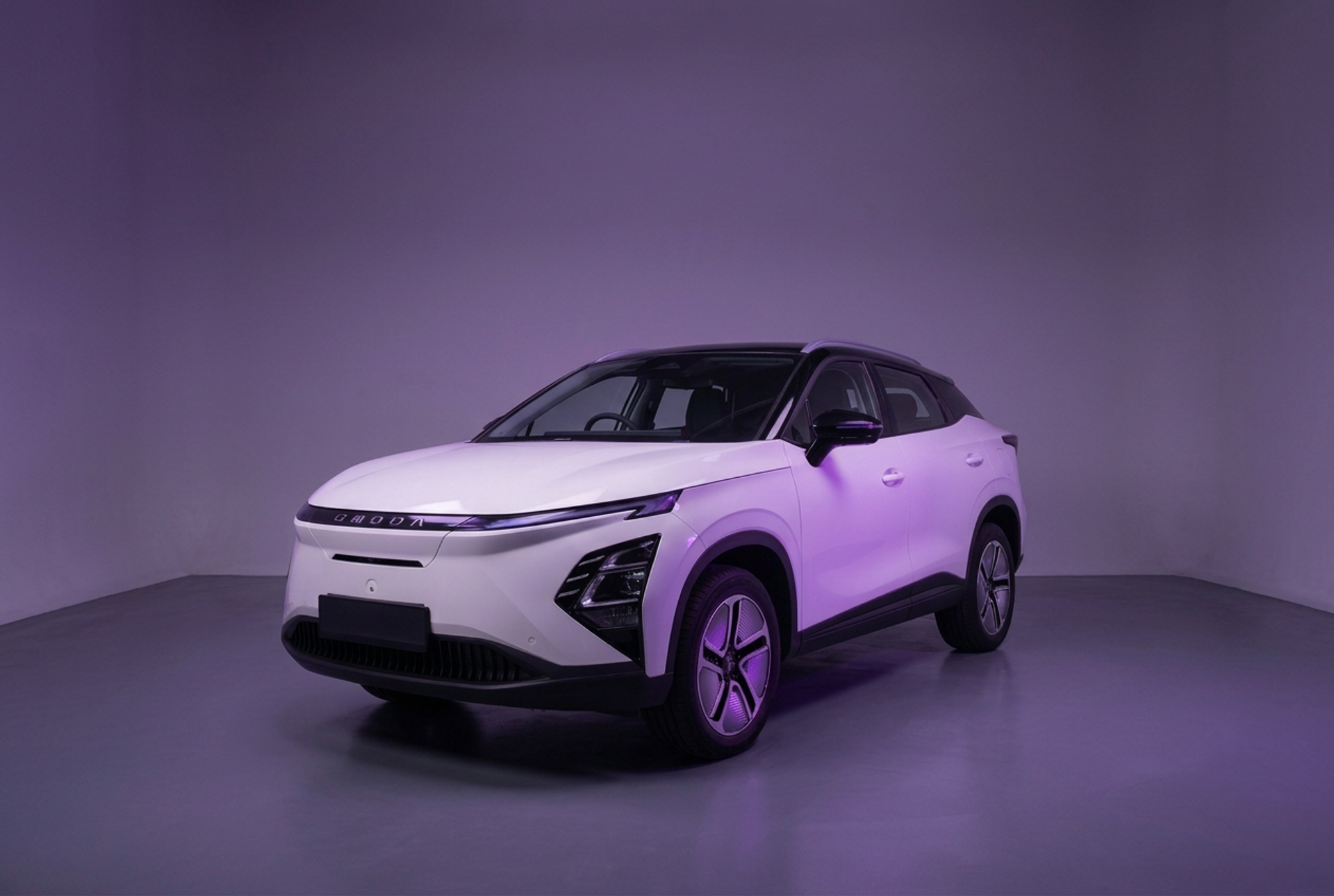
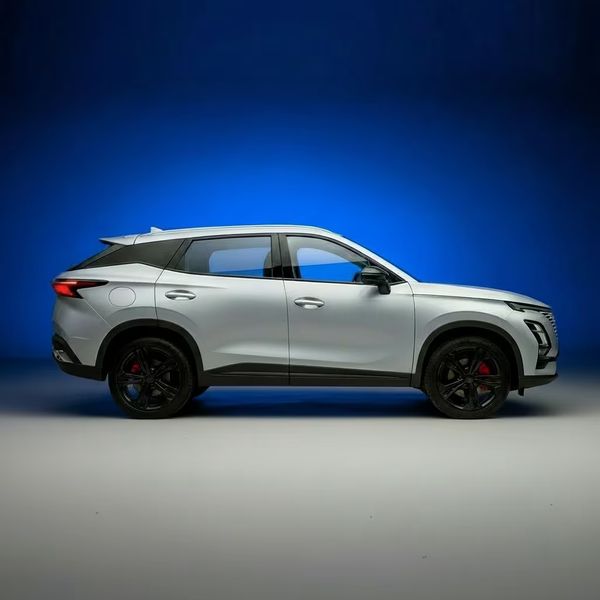
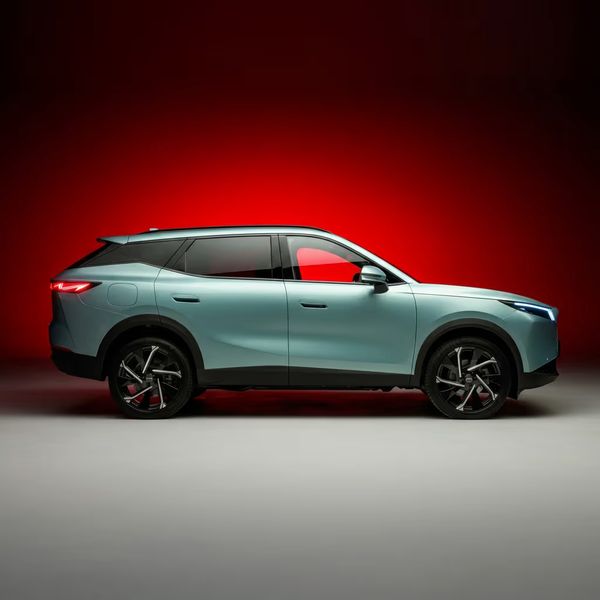
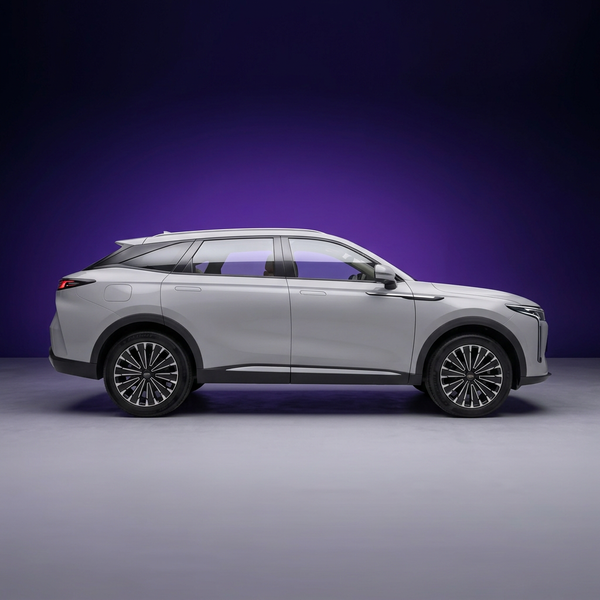
OMODA Electric Vehicles
Discover the benefits of electric driving, with a complimentary home charger available for a limited time.
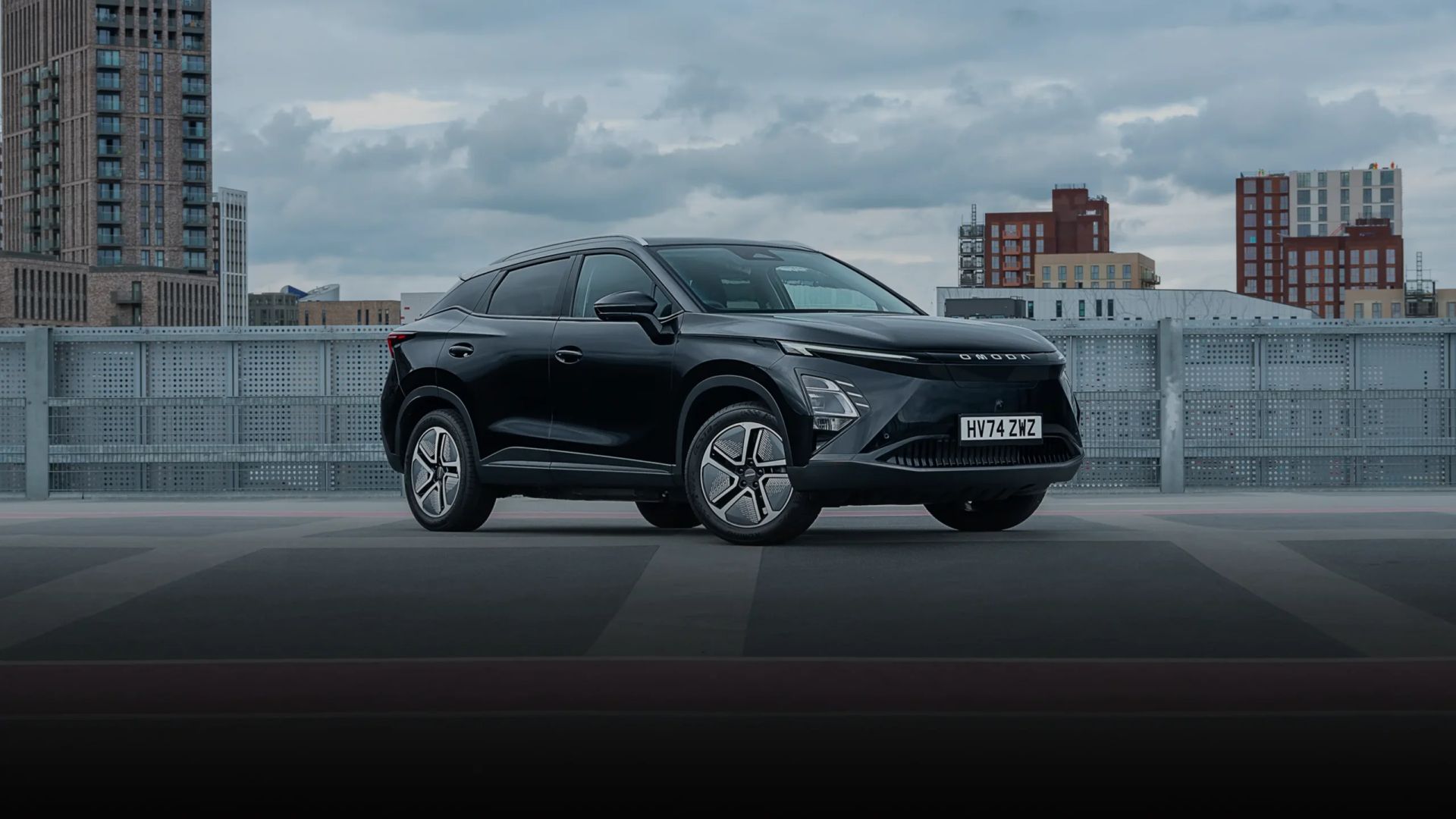
Living with an EV
An EV could be the right choice for you, even if you haven't considered one before. Read below for more information what what it's like living with an EV.
Why choose an EV?
Cheaper to run
Charging an EV is usually cheaper than refueling a petrol or diesel car, reducing running costs.
Government grants
The government still provides grants towards home chargers for some people.
Tax benefits
EVs attract lower taxation, both for VED (Vehicle Excise Duty) and BIK (Benefit in Kind)
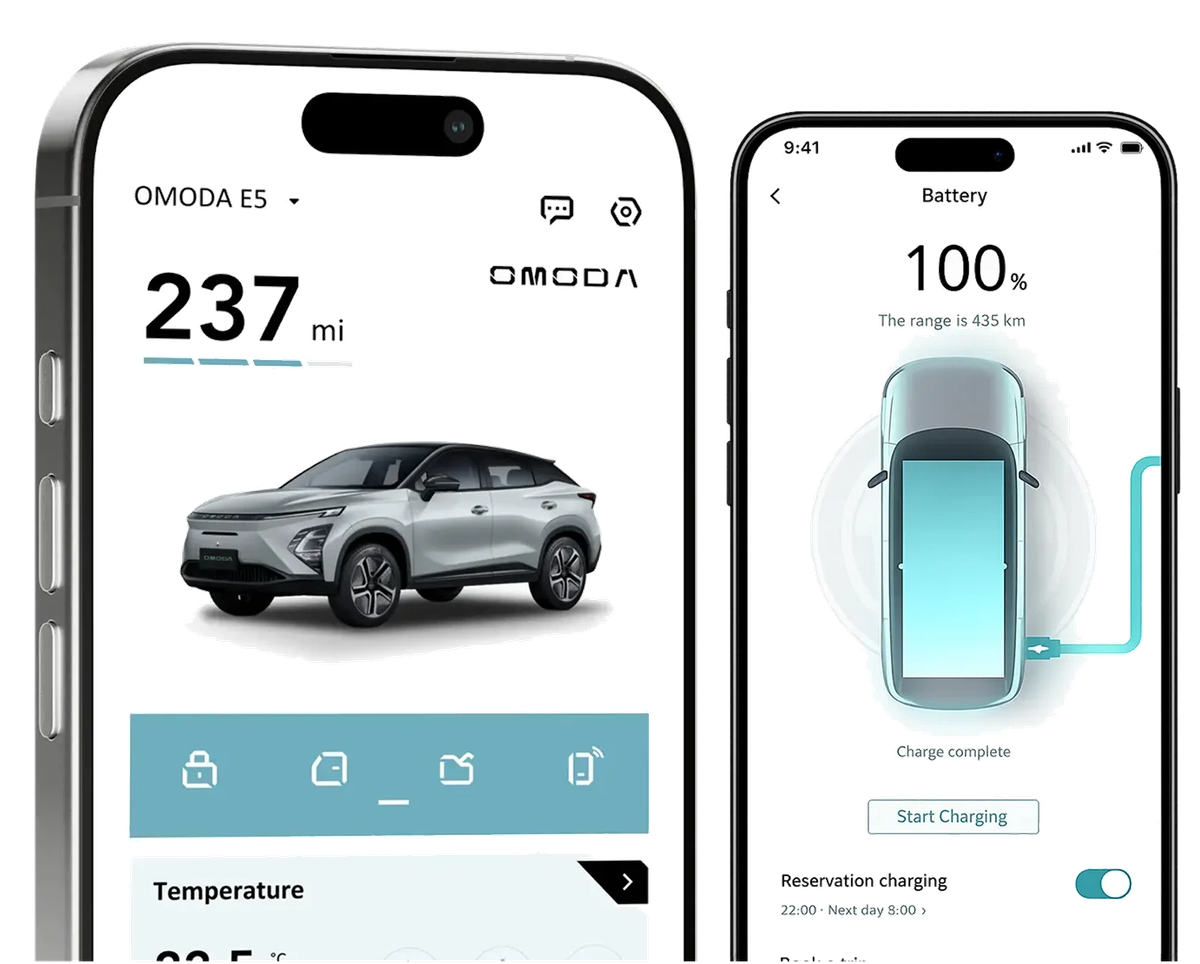
OMODA App
Manage, monitor, and control your vehicle with a connected driving experience. *Available on SHS-P (Plugin Hybrid) and EV vehicles



Battery Life
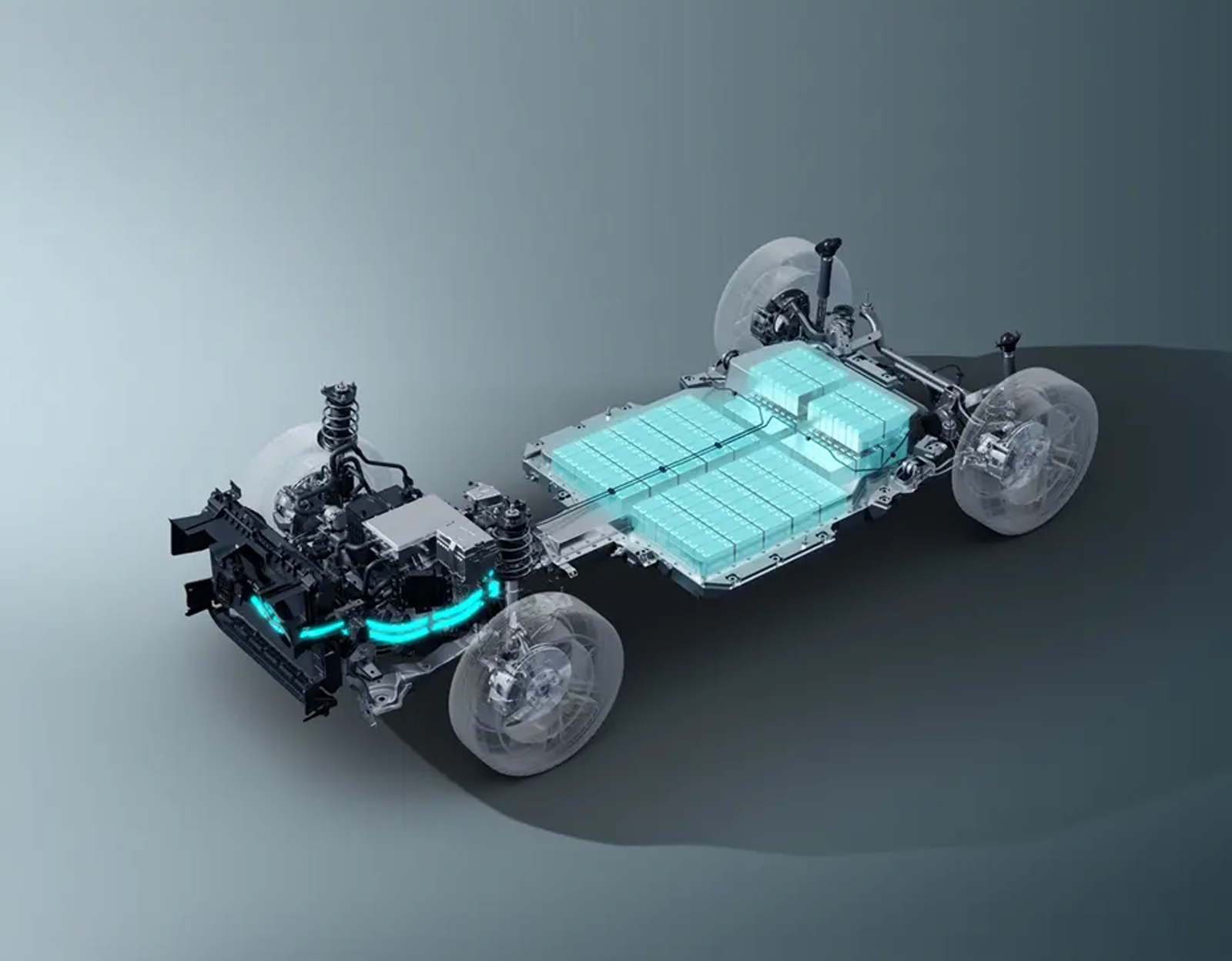
Battery Warranty
Our batteries are backed by an industry-leading warranty, providing coverage for up to eight years or 100,000 miles, ensuring long-term reliability and peace of mind.
01/03
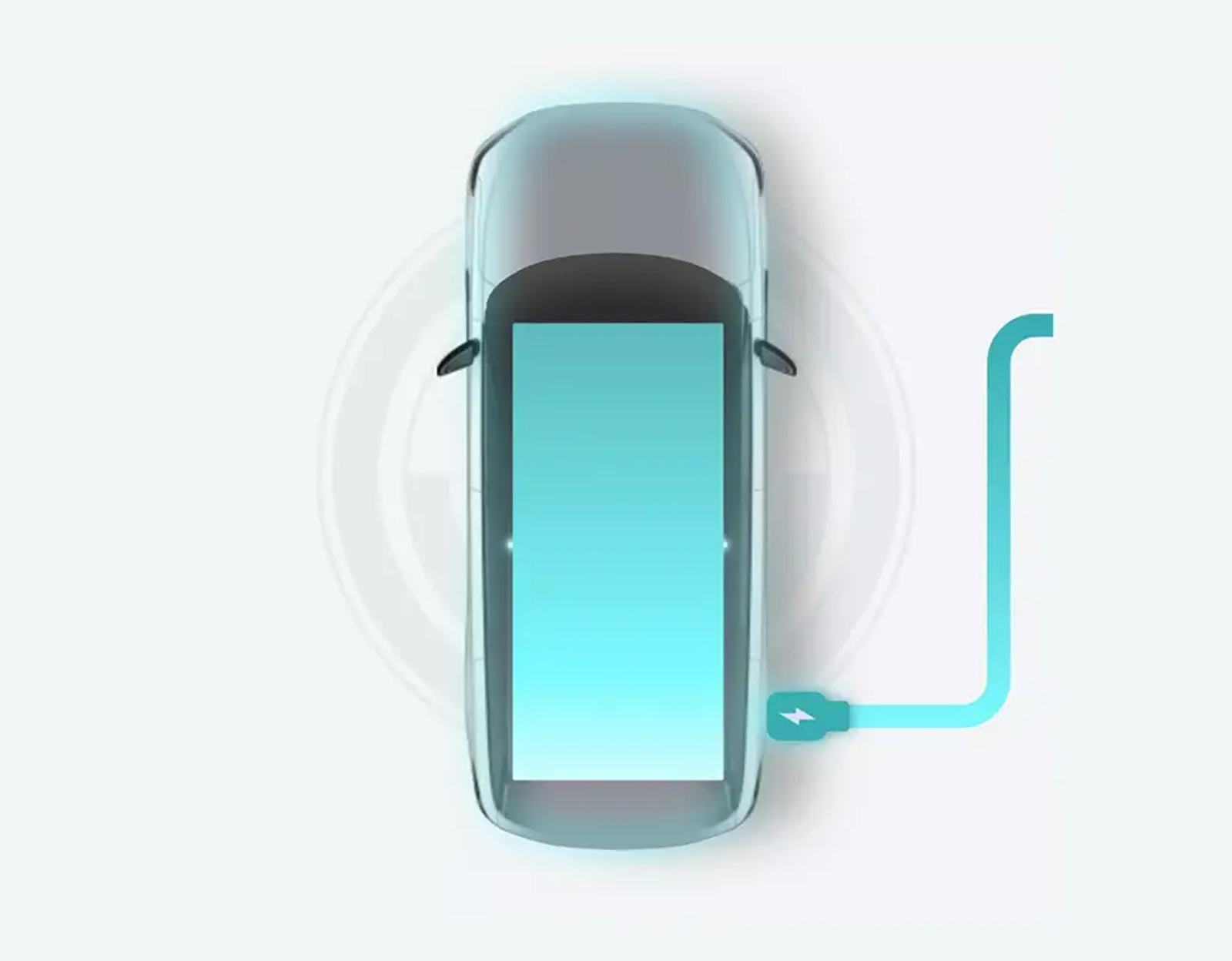
Peace Of Mind
This means we will repair or replace any such defects free of charge within the eight-year warranty period, to return the battery capacity to at least 70% of the original capacity.
02/03
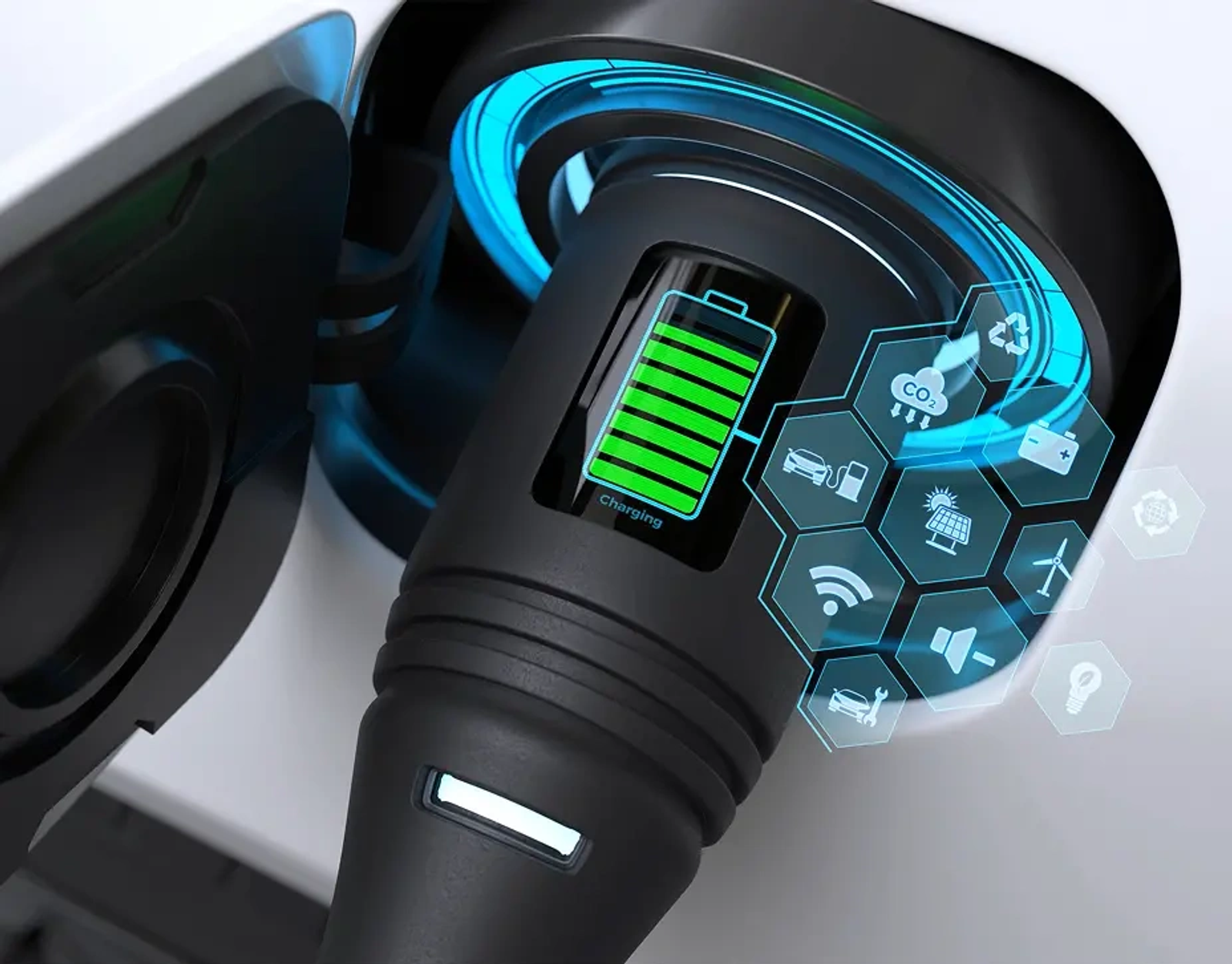
How to maximise battery life
You can maximise the life of the battery by only charging to 80% on most occasions. Obviously you can still charge to 100% if you know you’ll need the full range.
03/03
Factors that affect range
There are a number of factors that can impact range—some you can influence, and some you can’t. Understanding them can help you get the most out of every drive.
Cold Weather Impact
In colder or hotter conditions, range can decrease as the vehicle uses energy to manage battery temperature.
Driving Style
Driving at high speeds and accelerating and breaking aggressively can reduce the range.
Vehicle Load
Having more passengers or luggage in the car will increase the weight and reduce the range.
Air con and Heating
Pre-heating the car while it is on charge will maximise your available range.
Drive further for less
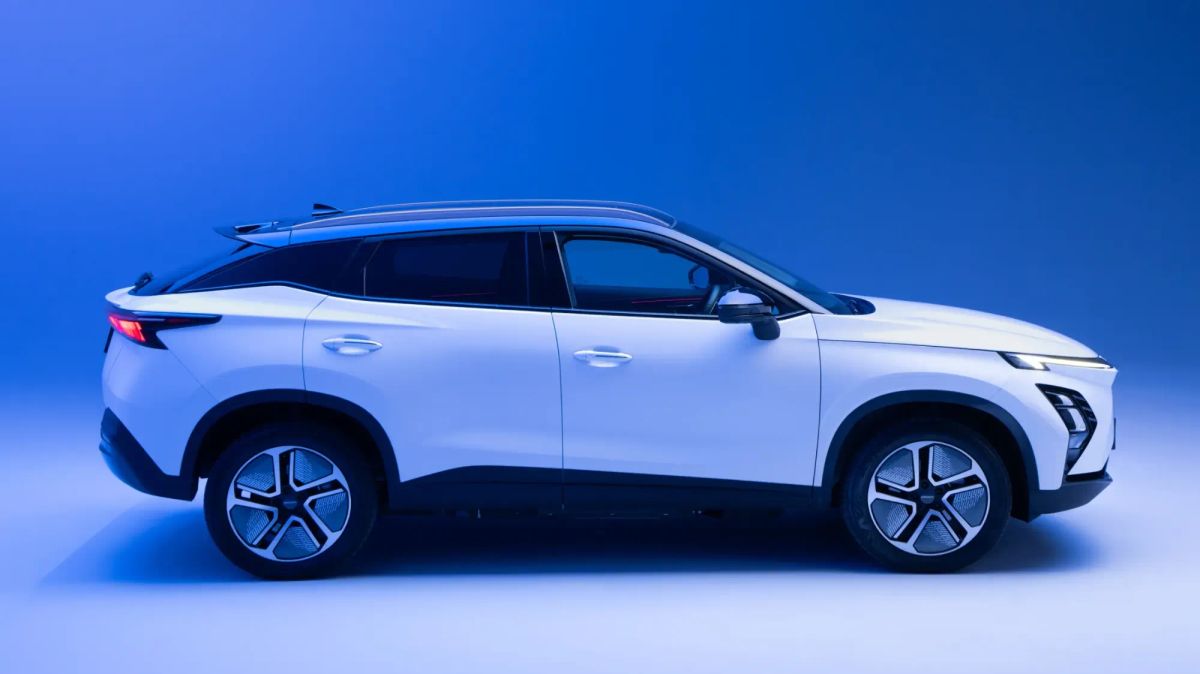
The running costs of electric vehicles are significantly lower than petrol or diesel vehicles.
At 24.5p per kWh (the typical standard tariff in the UK), the OMODA E5 will cost around £15 to charge from 0% to 100%, or £7.50 to charge from 30% to 80%.
Some energy companies have specific EV tariffs, offering discounted electricity (as low as 7p per kWh) at off peak times. At this price, charging the OMODA E5 will cost around £4.30 from 0% to 100%, or £2.15 to charge from 30% to 80%.
This means the cost per mile can be up to 10 times less than a petrol or diesel car.
Save more with smart charging Using the OMODA app, you can schedule charging to coincide with the lower electricity costs. You could also save money with an EV via lower tax, local incentives such as free parking, and reduced servicing and maintenance costs.